
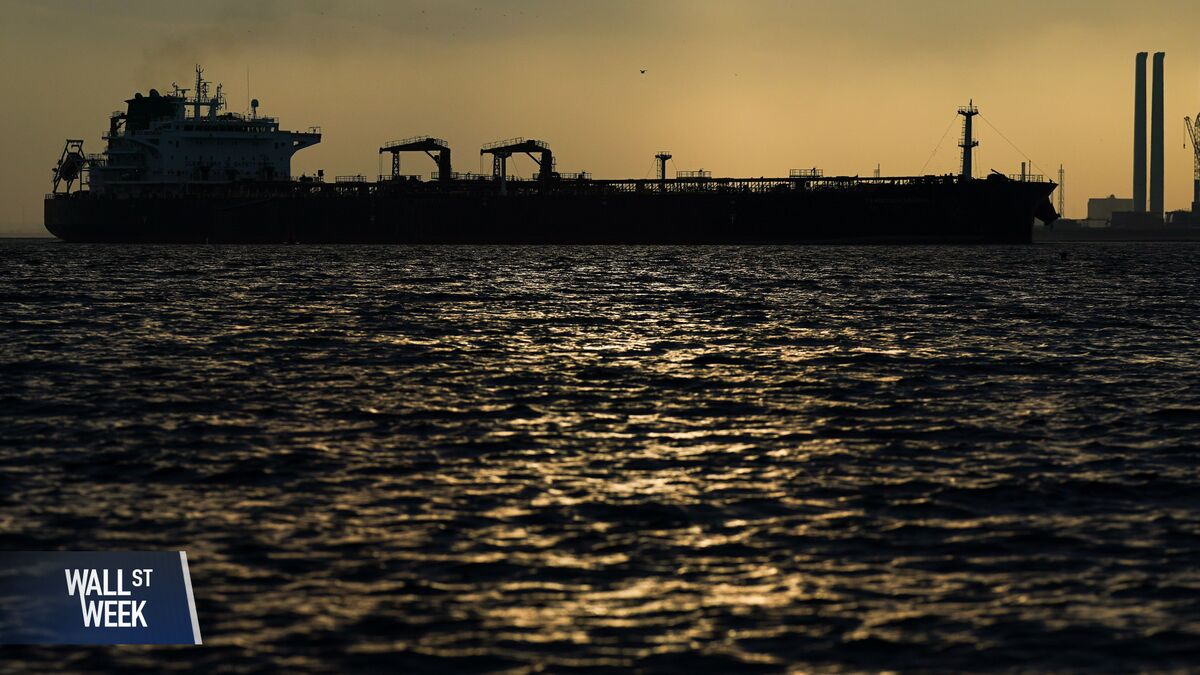
The war in Iran has sent shockwaves through global energy markets, pushing oil and gas prices higher and raising concerns about long-term supply disruptions. IEA Executive Director Fatih Birol tells Chrystia Freeland that even if the Strait of Hormuz reopens soon, damage to more than 80 energy facilities could take years to repair, keeping markets volatile. IMF Managing Director Kristalina Georgieva has warned that the imbalance between supply and demand, combined with infrastructure damage, could have lasting economic consequences. The result is a growing risk not just for energy prices, but for inflation, food costs, and economic stability worldwide. (Source: Bloomberg)
Trending
- The OeNB’s Martin Kocher on the Eurosystem’s inflation outlook
- Fortenova to sell Serbian retail businesses to Alta Retail
- Kylie Jenner sells California mansion for $5 million below asking
- My husband and I are in our 50s and have no kids. We have $2 million. Do we need a will?
- The Fed Just Hiked Rates for the First Time Since 2023. 3 AI Stocks That Could Feel It Most
- Federal Reserve Board – Federal Reserve Board issues enforcement actions with former employee of Northstar Bank, former employee of American Express Travel Related Services Company, Inc., and former employee of Regions Bank
- Google Gemini AI Predicts an Explosive End to 2026 for XRP
- Unpacking the Stock Market’s Coiled Spring Set Up


Monday, September 21
